
Mobile Veterinary Acupuncture Services for Small Animals and Horses
Serving the greater San Antonio area.
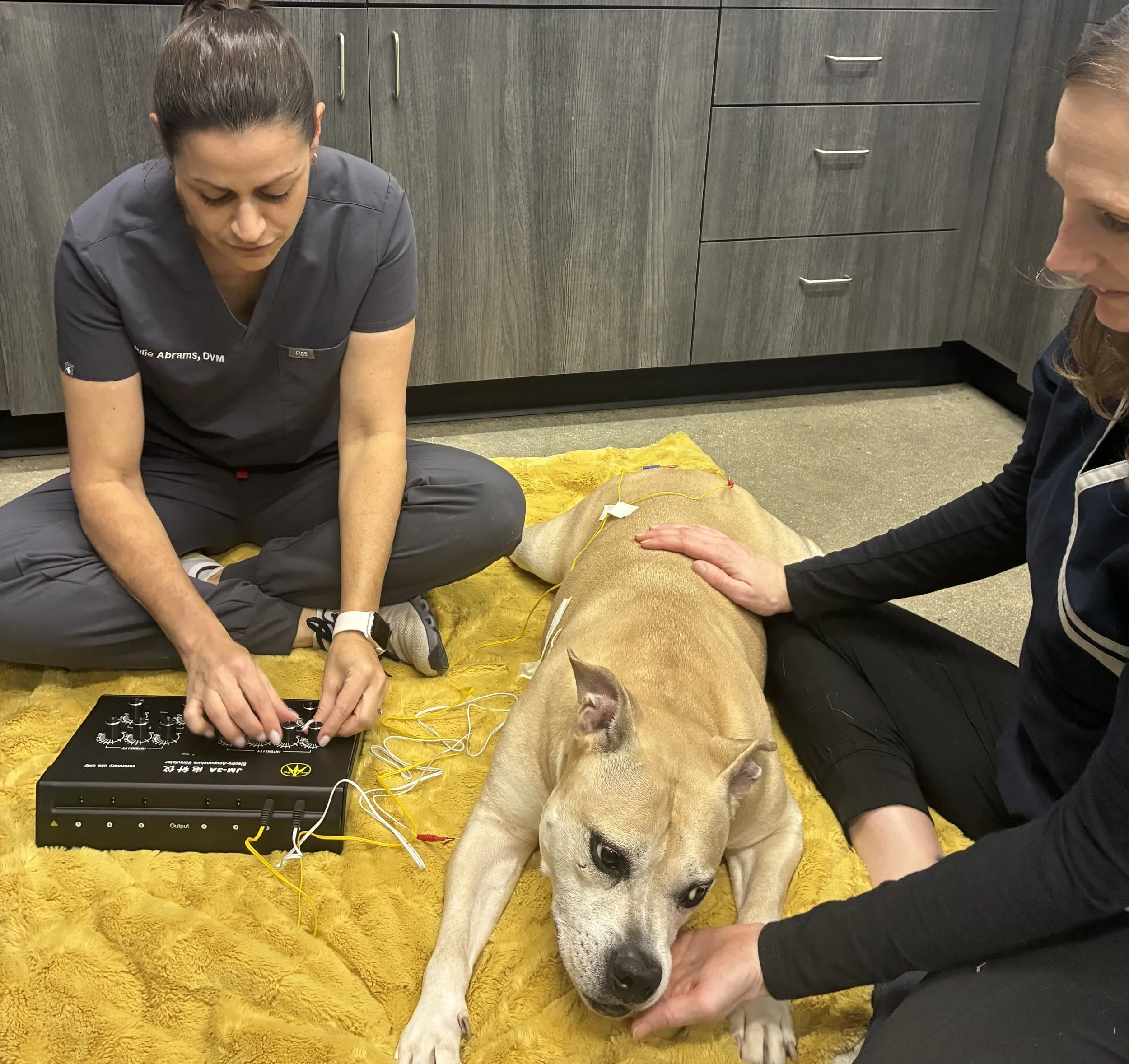
Veterinary Acupuncture: What It Is and How It Helps Animals
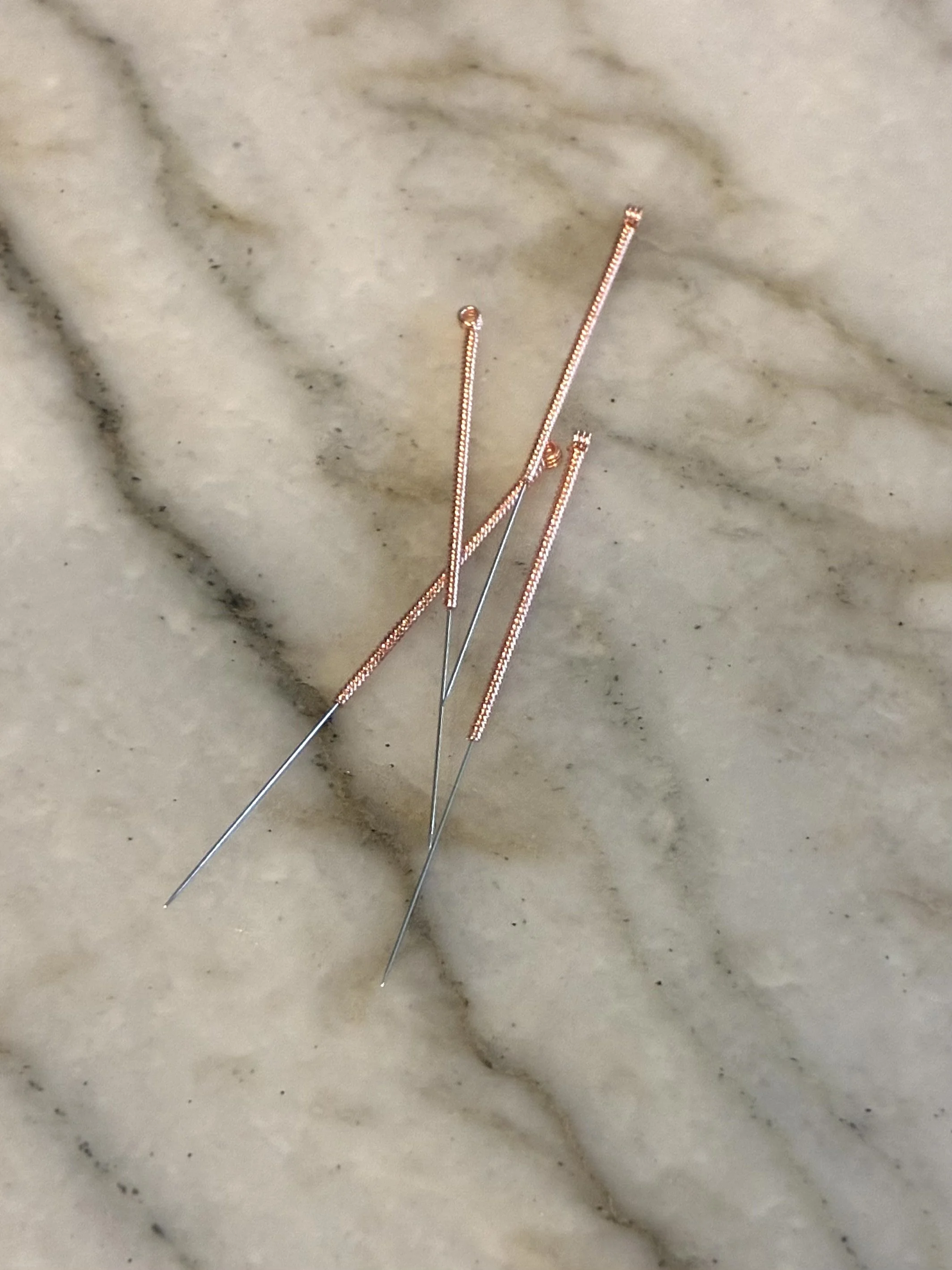
Veterinary acupuncture is a therapeutic technique used in veterinary medicine that involves inserting very thin, sterile needles into specific points on an animal’s body. These points stimulate nerves, muscles, and connective tissues to promote natural healing, reduce pain, and improve overall function. It is a key practice within Traditional Chinese Veterinary Medicine and is commonly integrated with modern veterinary care.
How Veterinary Acupuncture Works
Acupuncture points correspond with areas where nerves, blood vessels, and connective tissues are concentrated. When these points are stimulated, several beneficial processes may occur:
Release of endorphins and other natural pain-relieving chemicals
Improved blood circulation to affected areas
Reduced inflammation
Relaxation of muscles and nerves
Support for the body’s natural healing mechanisms
From a modern scientific perspective, acupuncture works by stimulating the nervous system and influencing pain pathways in the brain and spinal cord.
Conditions Commonly Treated
Veterinary acupuncture is often used as part of a comprehensive treatment plan for many health conditions, including:
Chronic pain and arthritis
Musculoskeletal injuries
Neurological disorders (such as nerve damage or paralysis)
Intervertebral disc disease (IVDD)
Hip dysplasia
Gastrointestinal problems
Post-surgical recovery support
Many pet owners seek acupuncture when conventional treatments alone are not providing sufficient relief, or when they want a more integrative approach to their pet’s care.
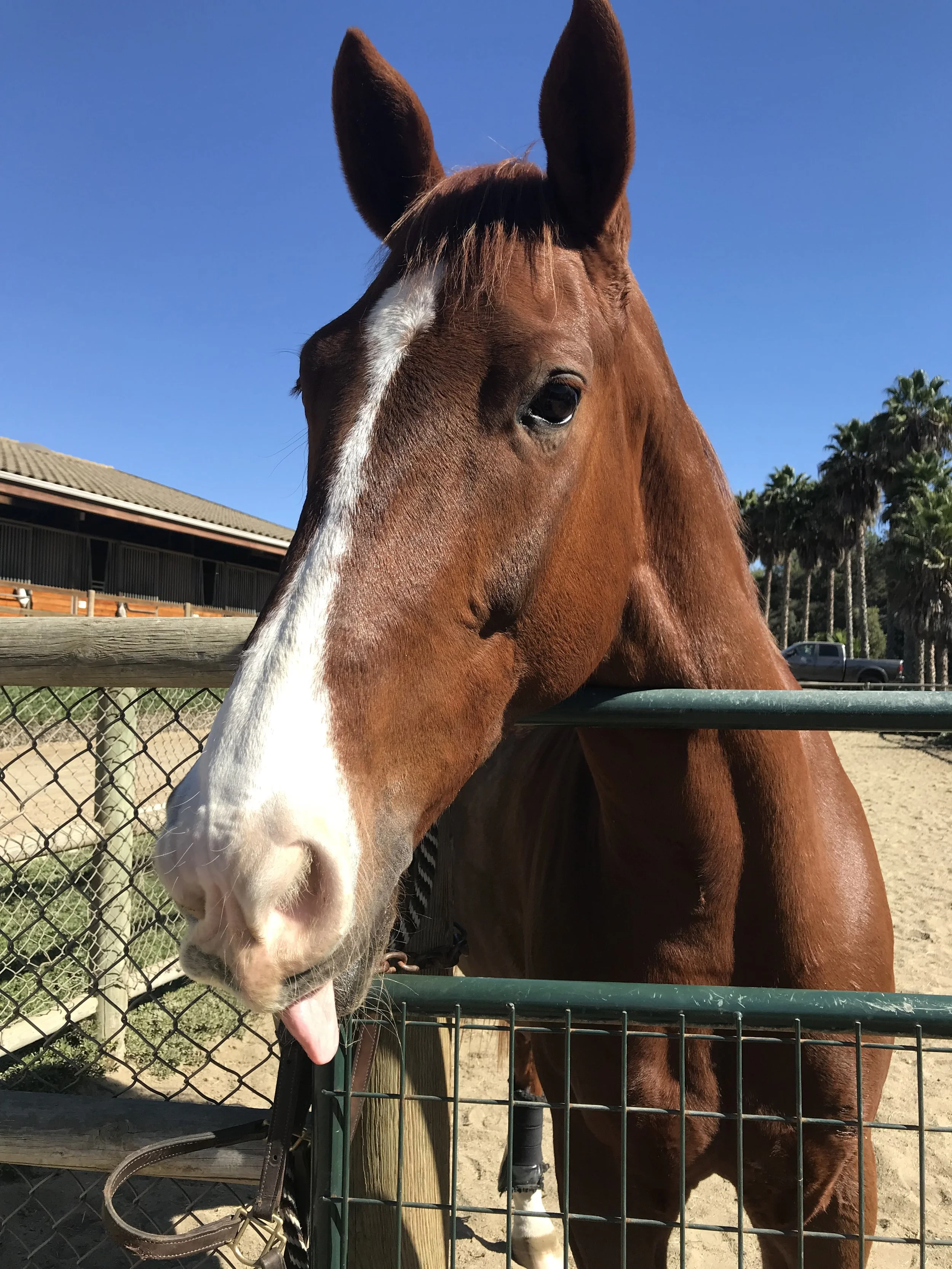
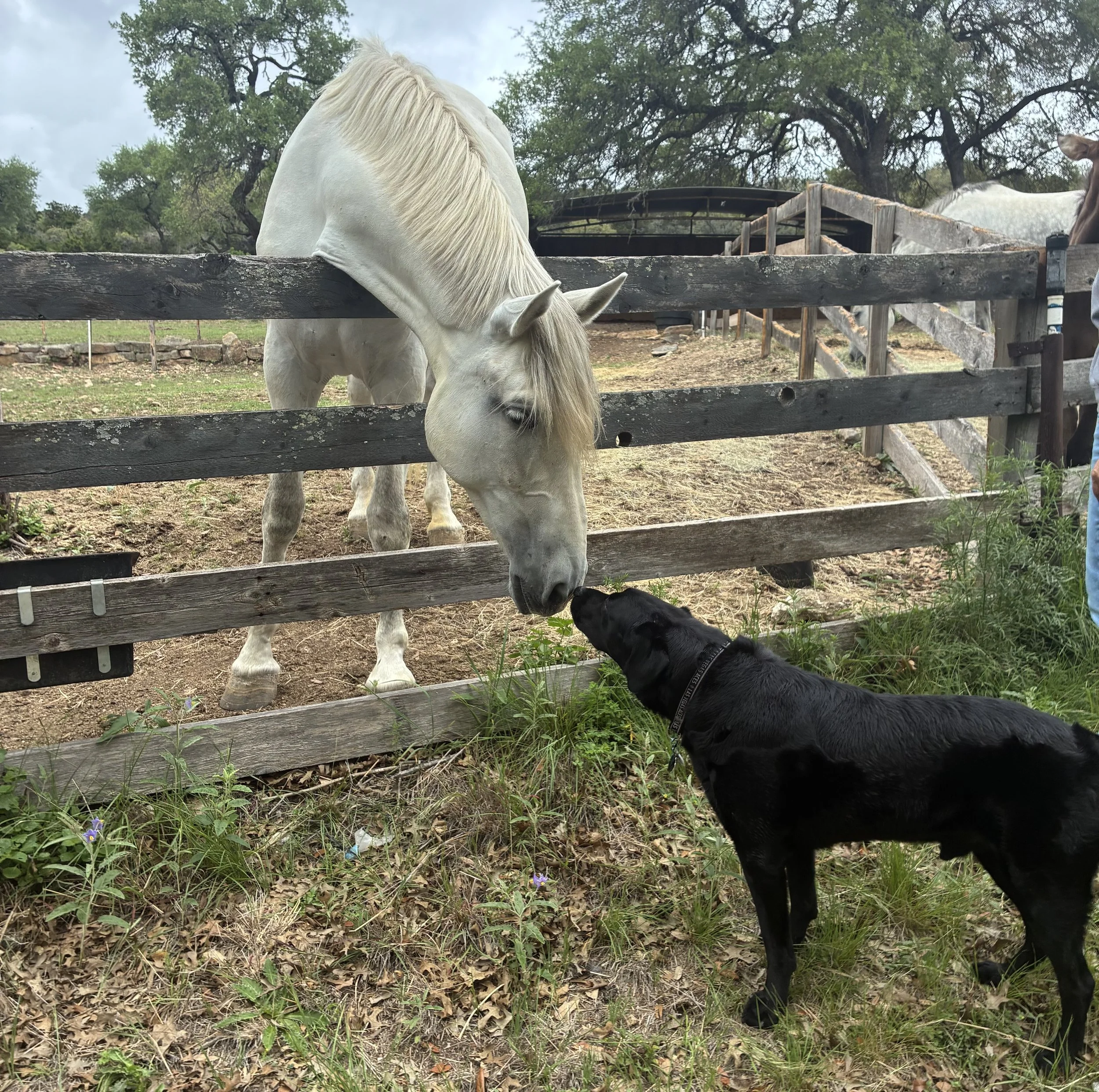
Is Veterinary Acupuncture Safe?
When performed by a trained and certified veterinarian, acupuncture is considered very safe. Side effects are uncommon and typically mild, such as slight soreness or temporary fatigue after treatment.
A Complementary Approach to Pet Health
Veterinary acupuncture is not meant to replace conventional veterinary medicine. Instead, it works alongside diagnostics, medications, physical therapy, and surgery when needed. By combining modern veterinary science with traditional therapeutic methods, acupuncture can help improve comfort, mobility, and quality of life for many animals.
What to Expect During a Treatment
A veterinary acupuncture session usually lasts between 15 and 45 minutes. After a physical exam and assessment, the veterinarian gently places fine needles at specific acupuncture points tailored to the animal’s condition. Most animals tolerate the procedure very well; many become relaxed or even fall asleep during treatment.
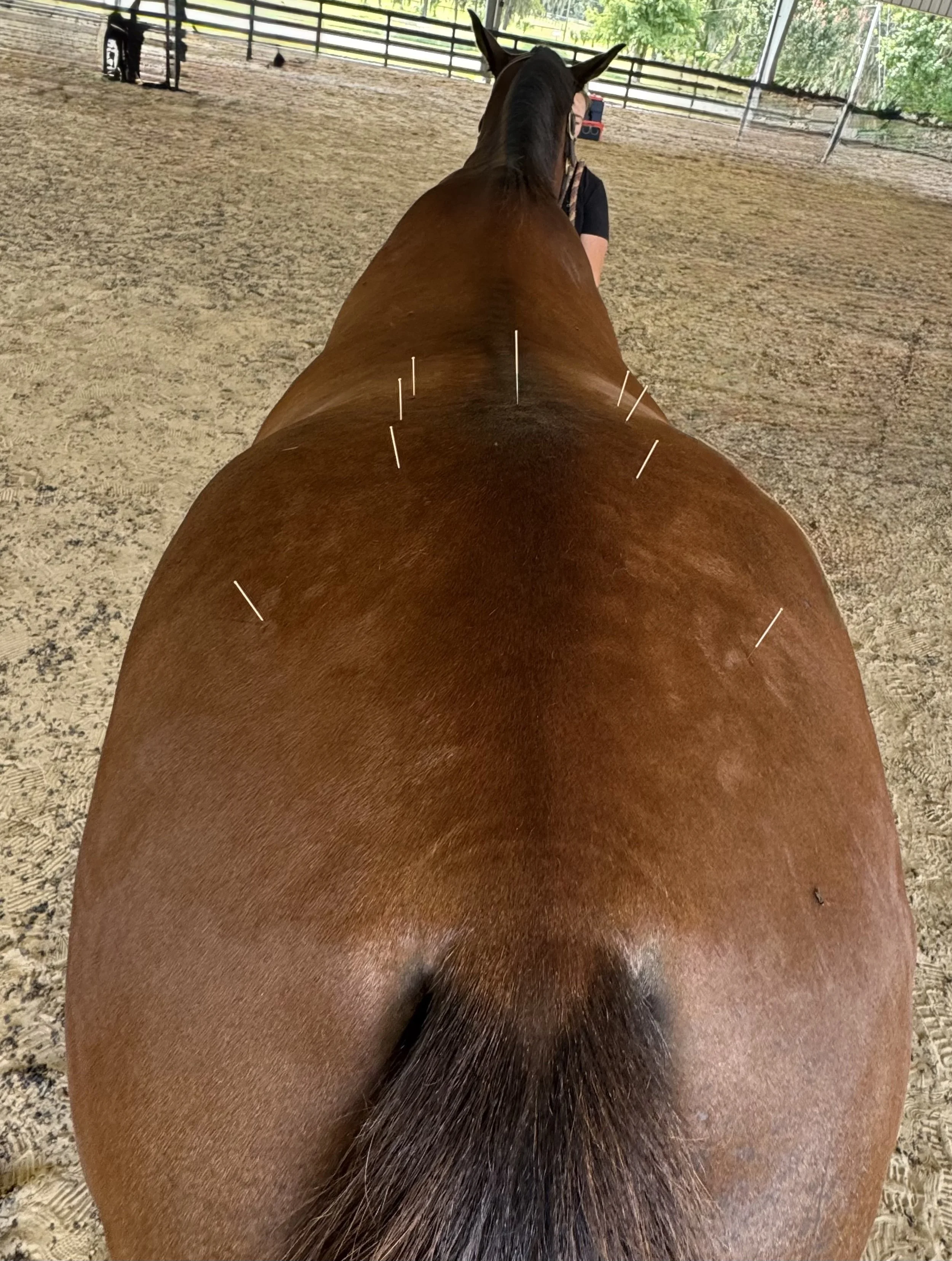
The number of sessions required depends on the condition being treated, its severity, and how the individual animal responds. Horses often show improvement after 1 session, and most small animals will show a noticeable improvement after 3-5 treatment sessions.
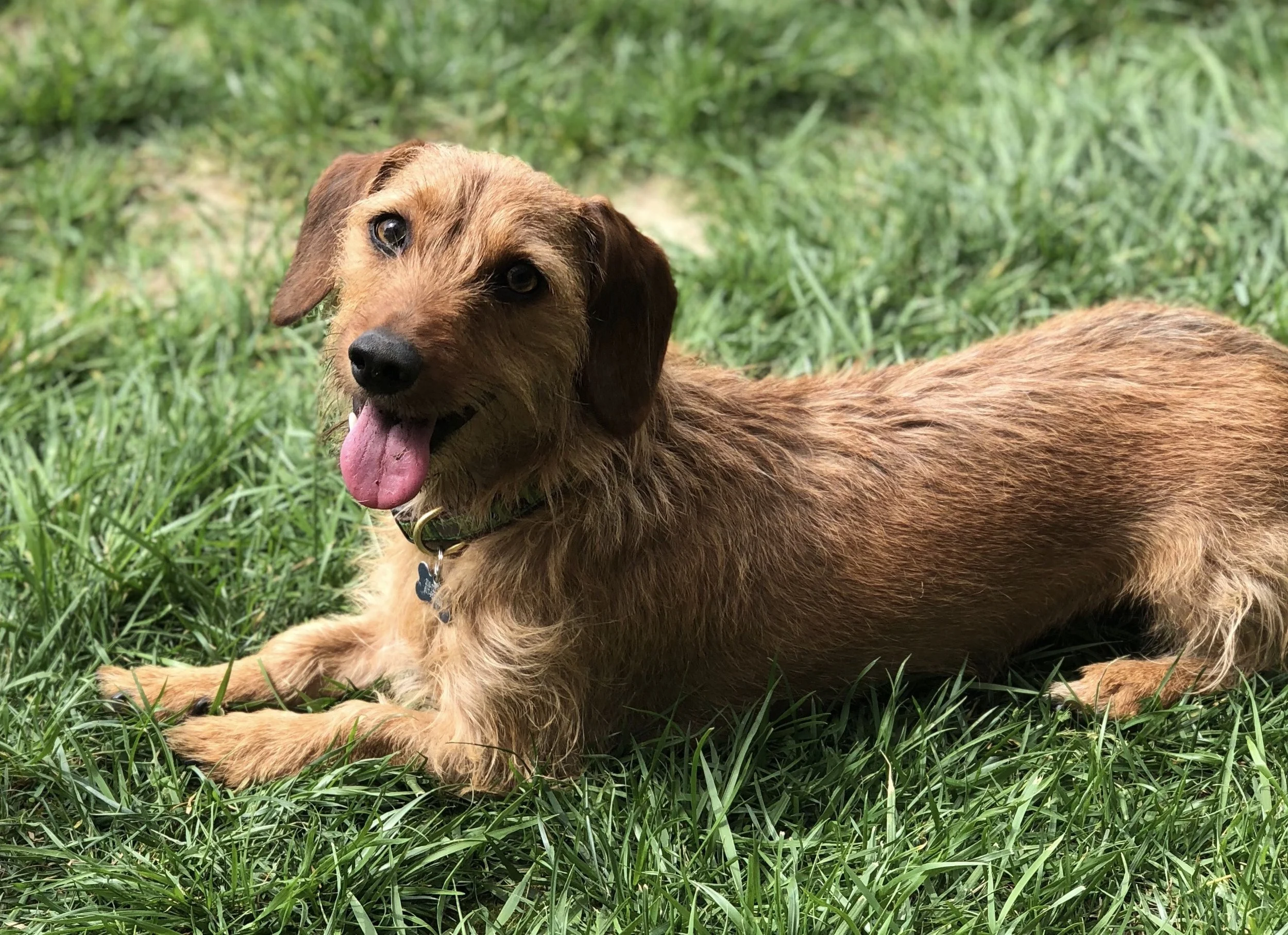
Offering 3 Types of Acupuncture:
1) Dry acupuncture.
This is the traditional method of using only needles at specified acupoints.
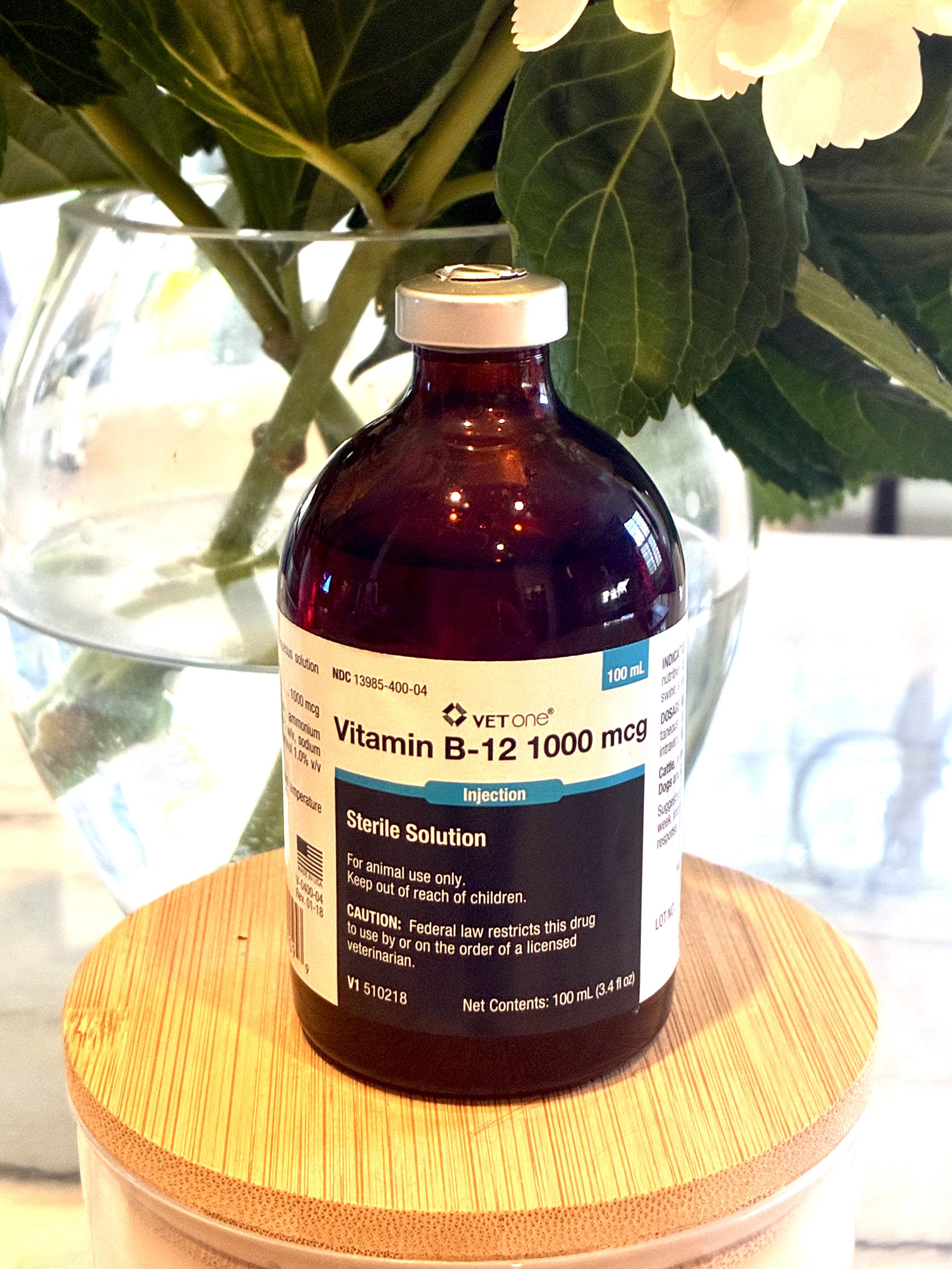
2) Aqua-puncture.
Aquapuncture (also called injection acupuncture) involves injecting small amounts of fluid, such as saline or vitamins, into acupuncture points. It can increase efficacy by:
Prolonged stimulation: The injected fluid creates sustained pressure and distension at the point, extending the stimulus beyond what a needle alone provides.
Combined mechanical + chemical effects: In addition to needle stimulation, the substance itself may have local pharmacological or nutritive effects.
Enhanced local circulation: The injection can promote blood flow and mild inflammatory signaling, which may support healing.
Fewer treatments needed: Because stimulation lasts longer, sessions may be spaced further apart compared to traditional acupuncture.
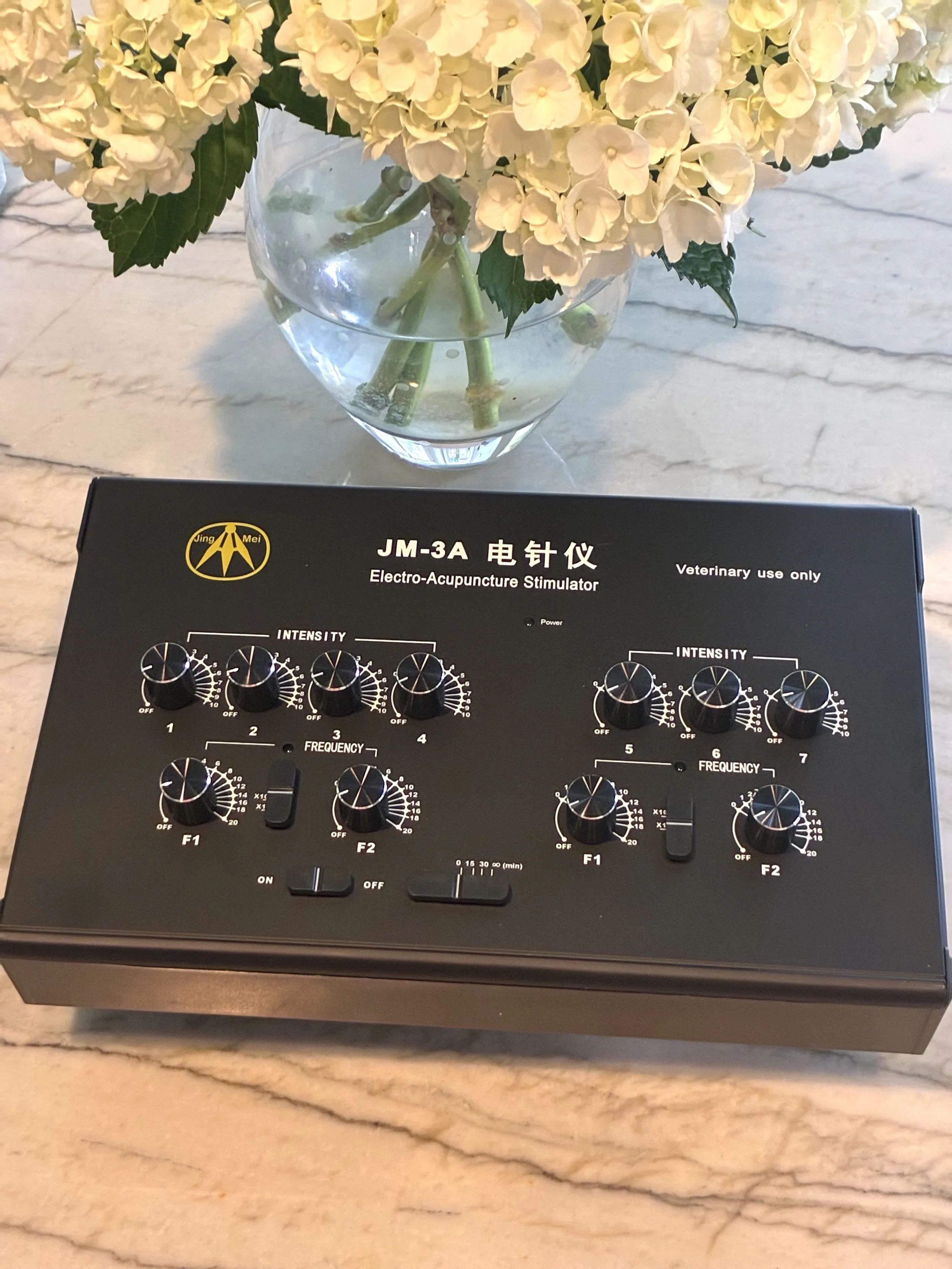
3) Electo-acupuncture.
Electro-acupuncture is a variation of traditional acupuncture where a mild electrical current is passed between inserted needles. This added stimulation allows:
Stronger and more consistent stimulation: The electrical pulses provide continuous, controlled activation of acupuncture points, which can be more reliable than manual needle manipulation.
Enhanced nerve activation: It more effectively stimulates peripheral nerves, promoting the release of neurotransmitters like endorphins and serotonin, which help reduce pain and improve mood.
Improved blood flow: The electrical current can increase local circulation, supporting tissue healing and reducing inflammation.
Frequency-specific effects: Different electrical frequencies can target different physiological responses (e.g., low frequencies for endorphin release, higher frequencies for pain gating).
Your pet will be assessed by Dr. Abrams to determine the best and most effective acupuncture treatment plan. She incorporates medical history, physical exam, and the patient’s personality and comfort level to create a tailored treatment for each session. Dr. Abrams takes great care to make sure her patients are as comfortable as possible throughout the process.
Click here to meet Dr. Abrams
Contact us
Please contact us to schedule your pet’s first consultation. We look forward to hearing from you!
For in-home/mobile services:
Call or text: 210-837-6901
Or call Encino Park Veterinary Clinic to make an appointment at the clinic for your dog or cat: 210-497-3300